
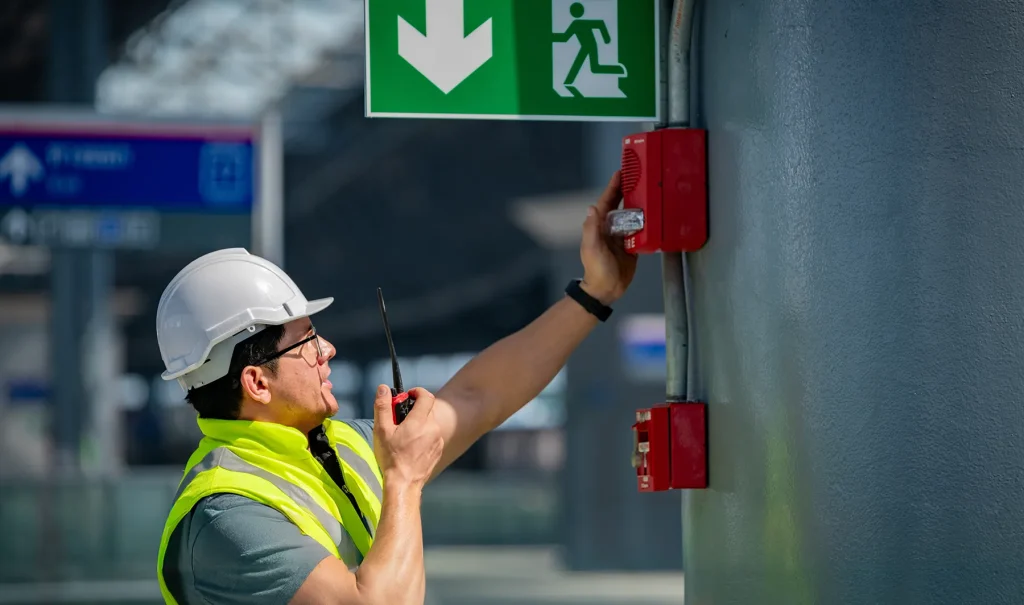
Creating a safe workplace requires more than policies, procedures and periodic inspections. Many workplace risks develop gradually, often going unnoticed until they begin to impact people, operations or critical infrastructure.
Real-time environmental monitoring is helping organisations take a more proactive approach to workplace safety by providing continuous visibility into workplace conditions and enabling faster responses when issues arise.
By monitoring environmental conditions as they occur, organisations can identify potential risks earlier, improve situational awareness and create safer working environments for employees, contractors and visitors.
Why Environmental Conditions Matter
Every workplace is influenced by environmental factors that can affect safety, comfort and operational performance.
Changes in temperature, humidity, air quality or other critical conditions may indicate developing issues that require attention. In some environments, these changes can affect employee wellbeing, damage equipment or create operational disruptions if not identified quickly.
Maintaining visibility into these conditions is an important part of modern workplace safety management.
From Periodic Checks to Continuous Monitoring
Traditionally, environmental conditions have often been monitored through scheduled inspections and manual reporting processes.
While these methods provide valuable information, they only offer a snapshot of conditions at a particular point in time.
Real-time environmental monitoring provides continuous visibility by using connected sensors that operate around the clock. Rather than waiting for the next inspection, organisations can access current information and receive alerts when conditions move outside acceptable parameters.
This allows teams to respond sooner and reduce the risk of issues escalating.
Monitoring Critical Workplace Conditions
Modern environmental monitoring solutions can provide visibility into a wide range of workplace conditions, including:
- Temperature
- Humidity
- Air quality
- Water leaks
- Facility conditions
- Environmental threshold breaches
By continuously monitoring these conditions, organisations gain a clearer understanding of their environments and can respond proactively when attention is required.
Improving Response Times
When environmental conditions change unexpectedly, rapid response can be critical.
Real-time monitoring systems can automatically generate alerts when predefined thresholds are exceeded, helping facility managers, safety teams and operational personnel act quickly.
Whether responding to a water leak, investigating an air quality issue or managing temperature-sensitive environments, immediate awareness helps reduce delays and improve response effectiveness.
Supporting Workplace Safety
Environmental monitoring plays an important role in maintaining safe working conditions.
Access to real-time information helps organisations identify risks earlier and maintain greater awareness across their facilities. Rather than relying solely on reactive responses, teams can proactively monitor conditions and investigate issues before they impact employees or operations.
This improved visibility supports safer workplaces and stronger risk management practices.
Enhancing Compliance and Reporting
Many organisations operate within environments where monitoring and maintaining workplace conditions is an important part of compliance and operational management.
Real-time monitoring provides accurate, timestamped data that can assist with reporting, auditing and demonstrating ongoing oversight of workplace conditions.
Having access to historical and live environmental data helps organisations make informed decisions while supporting broader compliance objectives.
Creating More Resilient Operations
Workplace safety and operational performance are closely connected.
Unexpected environmental issues can affect both employee wellbeing and business continuity. By monitoring conditions continuously, organisations can reduce uncertainty, improve preparedness and respond more effectively when issues occur.
This contributes to more resilient operations and greater confidence in day-to-day workplace management.
Looking Ahead
As workplaces become increasingly connected, environmental monitoring will continue to play a growing role in workplace safety strategies.
Connected sensors, real-time alerts and operational visibility are helping organisations move beyond reactive safety management towards a more proactive and informed approach.
The future of workplace safety is built on awareness. By understanding workplace conditions as they happen, organisations can identify risks earlier, respond faster and create safer environments for everyone on site.
Because when it comes to workplace safety, visibility matters.